
How to Create an Electronic Press Kit for Your Band or Tribute Act
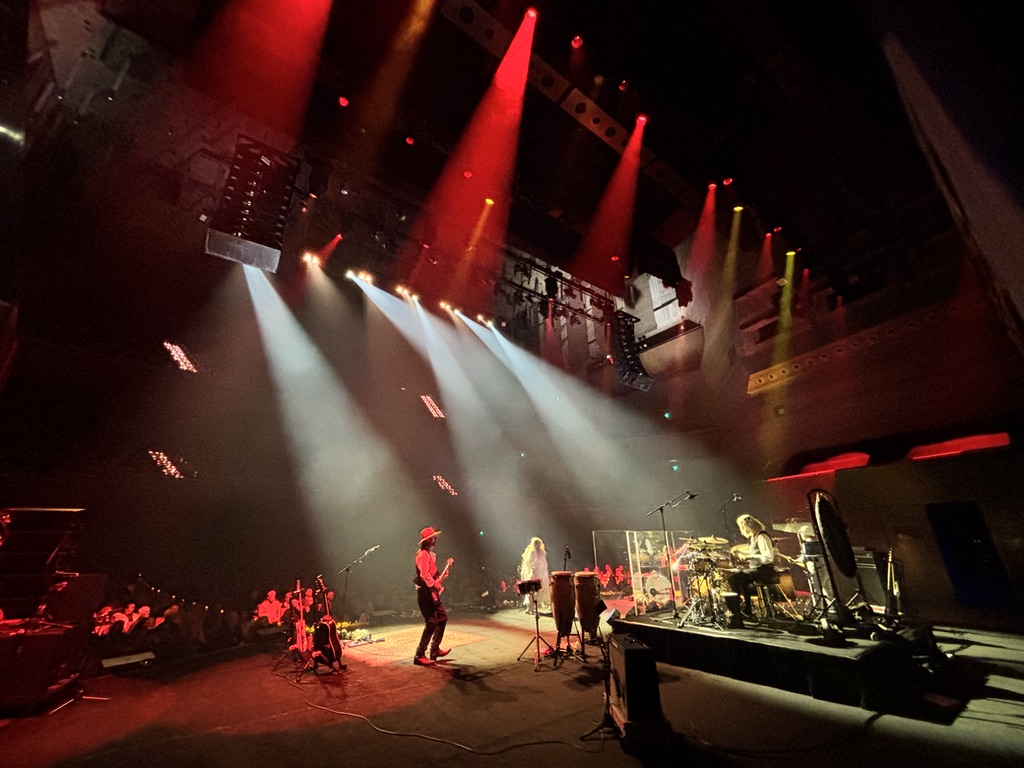
A venue programmer has just been sent a link to your show. They are interested, but before they can take the conversation further, they need to understand what you do, see you perform and find the right person to contact.
If those details are spread across old social media posts, different video channels and a collection of large email attachments, it can take more work than it should to get a clear picture.
This is where an electronic press kit can help. A well-prepared EPK gives venues, promoters, agents and event organisers a straightforward introduction to your act and makes the next step easier.
Whether you are an original artist looking for your next venue, a function band pitching for events or a tribute production planning a theatre tour, your press kit should reflect the show you actually offer.
What is an electronic press kit for a band?
An electronic press kit for bands, often shortened to an EPK, is a digital collection of information and promotional material about an artist, band or show. It usually includes a short biography, music or live video, photographs, performance details and a booking contact.
An EPK can be a page on your website, a shareable online document or a downloadable PDF with working links. Its purpose is to help someone quickly understand your act and decide whether to start a booking conversation.
The Musicians’ Union’s guide to getting press highlights recordings, photographs and a concise biography as useful parts of a promotional package. What a particular recipient needs will vary, so check their submission guidance before sending.
Why do venues and promoters ask for an EPK?
People booking live entertainment often need to answer several practical questions: What does this act sound like? What does the show look like? Who is it suitable for? Can it work in our space? Who can answer questions about dates and fees?
A useful EPK puts the answers in one place. It can also give a venue access to material it may need later when preparing a listing or promoting an agreed show.
It is not a substitute for building relationships or delivering a great live performance. It is a tool that helps present your work clearly when an opportunity comes along.
For example, the Musicians’ Union’s listing for Arts Club Cambridge asks artists to provide an EPK alongside information about recent tour dates and ticket sales. Other venues may ask for different information, particularly if you are a new act without a touring history.
What should a band EPK include?
Start with the information someone needs to understand the act and make contact. A practical electronic press kit for a band or tribute act can include:
- Your act or show name and a clear one-line description.
- A short biography and, where useful, a longer version.
- A representative live video or showreel, plus music links where relevant.
- Current promotional photographs and an approved logo.
- The type of performance you offer, your location and the areas you cover.
- Relevant past appearances, reviews or audience information you can verify.
- A direct booking contact and links to your website or social profiles.
- Technical information or a way to request it when a conversation progresses.
You do not need to fill every section with material on day one. A clear, honest kit containing a strong video and the right contact details can be a useful starting point.
1. Introduce the show in a few clear sentences
Before listing past venues or social media channels, explain what the audience will experience.
For an original artist, that might mean the genre, sound and live line-up. A function band may want to explain the types of events it plays. A tribute production should make clear whose music it celebrates and what makes its own show distinctive.
Include your location and the sort of venues or events you are looking for. Avoid descriptions so broad that they could apply to any act, and do not suggest official involvement or endorsement from an original artist unless that is true.
Here is a simple starting point you can adapt:
Example template: “[Show name] is a [number]-piece [type of act] based in [location], bringing [brief description of the music and live experience] to [suitable venues or events].”
Replace the prompts with genuine details and follow the opening with a short paragraph about the people, story and experience behind the show. The Musicians’ Union’s band biography guide offers further ideas for writing an introduction and keeping it current.
2. Let people see and hear the performance
For a venue or promoter, a live video can answer questions that a written description cannot. It shows how the act looks and sounds on stage and gives a sense of the relationship with an audience.
Choose footage that represents the show you are offering. A well-edited showreel can be helpful, but a clear live recording may be more useful than a highly polished montage that never lets the performance breathe.
Consider including:
- One easily accessible video near the top of the EPK.
- A longer performance or additional music link for someone who wants more.
- A brief description of where and when the footage was recorded, if relevant.
- Captions for spoken information and a text alternative where appropriate.
Check the link on a phone and make sure the recipient can watch without requesting access. Use footage and music you have permission to share, and make sure it accurately represents your current line-up.
For accessible video guidance, see the W3C’s guide to making audio and video accessible.
3. Add photographs and artwork venues can use
Good photographs give bookers a sense of the act and help the venue prepare promotional material once a show is agreed.
Where available, provide a small selection of current images in landscape and portrait formats. Include a clear group photograph and an image that reflects the live show. Label the files so that the venue can find the correct one without opening an entire folder.
Make it clear which images are approved for promotion, whether a photographer credit is needed and who to contact about other uses. Supply a logo in suitable formats if you have one, and check that any posters or graphics show the current production.
Your EPK does not need to carry every promotional asset at full size on the page. A clearly labelled download link can provide larger files without making the first page difficult to use.
If the visual identity is still taking shape, our guide to graphic design for bands covers posters, logos and promotional artwork in more detail.
4. Explain what the venue would be booking
An act might play a 45-minute festival set, offer a full theatre production or provide different line-ups for private events. The person reading your EPK should not have to guess which applies.
Give a clear overview of:
- The number of performers and the type of line-up.
- The usual show or set lengths, where these are established.
- Whether the act is suitable for venues, festivals, theatres or private events.
- Your base location and the areas you are willing to discuss.
- Any different show formats that are genuinely available.
Be specific without presenting an example as an inflexible commitment. For instance, if you can offer different set lengths, explain that arrangements can be discussed for the event. Fees, availability and contractual details can be handled directly with the booker.
5. Share evidence that is relevant and accurate
Past performances, reviews and audience information can help a venue understand where your show fits. Choose a few examples that are relevant to the opportunity rather than listing every gig you have ever played.
You might include a short, attributed review with permission where needed, a link to a published article, recent venues or festivals, or verified information about previous ticket sales if it is appropriate to share.
Do not invent endorsements, imply a sell-out that did not happen or suggest that another artist is involved when they are not. If a statistic needs context, include it. A genuine example is more useful than a large number without an explanation.
If you are a new act, do not worry about having a long list of past shows. Explain what you are launching, use the strongest genuine video and photographs you have, and make it easy for someone to continue the conversation.
6. Make the booking contact easy to find
The EPK should tell people who to contact about bookings and how to reach them. This might be you, a band manager, a booking agent or a production company.
Place the contact details near the top or make them easy to reach from a clearly labelled button. If different people handle bookings and press enquiries, say so.
Check that any contact form works, the email address is current and enquiries are being monitored. If your act works with an agent, agree which details should be shared and where messages should be directed.
For more on connecting your promotional material to the rest of your online presence, see our guide to what a band website should include.
7. Prepare technical information for the next conversation
A promoter may initially want a quick overview of the show. Once there is a serious discussion about a date, the venue’s technical team may need more detail.
Depending on the production, that can include a stage plot, input list, backline information, show length and the requirements you need to agree with the venue. Keep these documents current and give them clear version dates.
You can include a technical summary in your EPK and offer the full specification on request. That keeps the main introduction easy to read while making it straightforward for the right people to discuss the details.
Access requirements should be discussed with the appropriate venue contact and shared in a way that respects the individual’s privacy. The Musicians’ Union provides guidance and an access rider template that can help start that conversation.
Should your EPK be a website page or a PDF?
Both can work. The best choice depends on who needs the information and how you plan to keep it up to date.
A website page gives you one link to share and makes it easier to update video, contact details and photographs. It can also connect naturally to your show information, tour dates and enquiry form.
A PDF can be useful when a venue asks for a document to circulate internally. Keep the file size manageable, make sure the text can be selected and the links work, and include a date so readers know which version they have.
Many acts use a web page as the main EPK and provide a concise downloadable document alongside it. Whichever format you choose, test it on a phone and a computer, use readable text and clear headings, and avoid putting essential information only inside an image.
If you are considering a dedicated page, explore our website creation service for artists and entertainment businesses.
How to send your EPK to a venue or promoter
Start by checking whether the venue or event has a booking policy or submission form. Find the right contact, review the type of acts they programme and consider whether your show is a good fit.
Keep your first message personal and straightforward. Introduce the act, explain why you are getting in touch and provide one clearly labelled EPK link. If there is a particular date, event or programme you have in mind, include it.
Here is a simple structure you can adapt:
Subject: Booking enquiry: [show name] – [relevant event or date]
Hi [name],
I hope you are well. I am getting in touch about [show name], a [short, accurate description of the act].
I noticed [specific, genuine reason the venue or event is a good fit], and I would love to discuss whether the show might be suitable for [event, programme or date].
You can find our live video, photographs and show information here: [EPK link].
If you would like any further information, please let me know.
Thank you,
[Your name and booking contact]
Adapt the message to the recipient and follow their stated contact preferences. If you follow up, keep it polite and allow time for a response. Avoid sending huge attachments when a working link will do.
A quick EPK checklist before you send it
Before sharing your electronic press kit, take a few minutes to check the details:
- Does the opening explain what the act does and where it is based?
- Does the video represent the current show and play without an access request?
- Are the photographs current, approved for the intended use and correctly credited?
- Are the show format, booking contact and any availability details accurate?
- Do all links and downloads work on both a phone and a computer?
- Can a reader understand the information without relying on images or autoplay?
- Are reviews, statistics and past appearances genuine and appropriately attributed?
- Are technical documents up to date, with private access information shared separately?
Review your EPK whenever the line-up, footage, contact details or show format changes. An occasional check of the links also helps you avoid sending people to an outdated page.
Need help bringing your band’s online presence together?
An effective press kit is more than a folder of files. It should make your show easier to understand and give the right people a clear way to get in touch.
At Encore Essentials, we work with artists, bands, tribute acts and touring productions across the entertainment industry. We can help bring your website, visual identity and promotional content together around the show you are presenting.
Whether you need a dedicated EPK page or a wider website for your tour, we can discuss the best starting point for your project.
Frequently asked questions
What does EPK stand for in music?
EPK stands for electronic press kit. It is a digital collection of information and promotional material that helps people understand an artist, band or show.
What should a new band put in an EPK?
Start with a clear description of the act, a short biography, a representative recording or live video, current photographs and a booking contact. Add verified reviews, past performances and technical information as they become relevant and available.
Does a tribute act need an EPK?
An EPK can help a tribute act explain the music it celebrates, the format of its own show and what a venue would be booking. Be clear about the production’s identity and avoid suggesting an official connection that does not exist.
Can an EPK be part of a band’s website?
Yes. A dedicated page on your website can bring together your biography, video, photographs and booking contact. You can also offer a concise PDF where a promoter or venue prefers one.
How often should I update an EPK?
Update it when important details change, such as the line-up, live footage, booking contact or show format. Check links and downloadable files regularly so recipients can access current information.